

Bogotá in August: What 2,600 Metres Above Sea Level Does to Your Body in the First 48 Hours
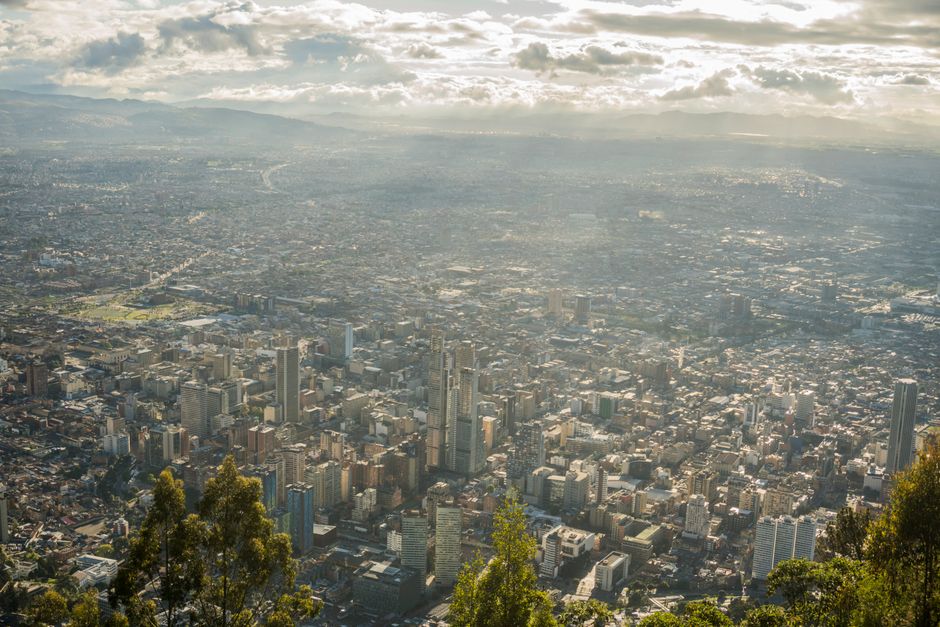
Bogotá Altitude Weather in August: What 2,600 Metres Does to Your Body in the First 48 Hours
Bogotá sits at 2,625 metres (8,612 feet) above sea level — higher than Val Thorens, higher than most of the Swiss Alps' mid-mountain stations, and significantly higher than anything most visitors' bodies have recently experienced. August is one of the city's two dry seasons, with average daytime highs of 18°C (64°F) and lows that drop to around 7°C (45°F) overnight. On paper, that sounds mild. In practice, the altitude rewrites what those numbers mean for your cardiovascular system, your hydration, your skin, and your sleep — usually within the first few hours of landing. Most travel itineraries skip this briefing entirely. This one does not.
August Climate in Bogotá: The Numbers First
August falls within Bogotá's second dry season (the first runs December through February). Rainfall drops to roughly 1.6 inches (40mm) across the month, compared to 3.5 inches (89mm) in April at the height of the wet season. Sunny intervals are more reliable, cloud cover is lower than average, and wind picks up noticeably in the afternoons — locals call this wind season, and it is not subtle. Gusts of 25–35 km/h (15–22 mph) are common in the late afternoon, particularly in the northern districts.
Daytime temperature averages 18°C (64°F), with a realistic range of 14–19°C (57–66°F) on clear days. After sundown, temperatures fall quickly to 7–9°C (45–48°F). Humidity sits at around 70–75%, which is moderate but feels lower than coastal Colombia by a wide margin. UV index in August regularly hits 11–13 at midday — extreme by any classification standard, and a direct consequence of the reduced atmosphere above you filtering less radiation. More on that shortly.
Sunrise is around 6:00 AM and sunset around 6:00 PM, giving approximately 12 hours of daylight with surprisingly intense midday sun despite the relatively cool air temperature.
Why 18°C (64°F) at 2,600m Feels Nothing Like 18°C at Sea Level
At sea level, 18°C (64°F) on a sunny day feels comfortable in a light jacket. In Bogotá in August, the same temperature reading can feel warm in direct sun and genuinely cold in the shade, sometimes within minutes of each other. Several factors are responsible.
First, solar radiation is significantly more intense at altitude. With roughly 25% less atmosphere above you compared to sea level, UV radiation hits harder — but so does the raw warmth of direct sun exposure. Step out of a sunlit plaza into a shaded street and the perceived temperature can drop by 4–6°C (7–11°F) almost instantly. This is not a perception error; it reflects the reduced air density that makes convective heat transfer less efficient.
Second, the low air density means wind chill is more pronounced. The afternoon gusts common in August push apparent temperatures well below the thermometer reading. A 17°C (63°F) afternoon with 30 km/h (19 mph) wind feels closer to 12°C (54°F) on exposed skin. Dress in layers and keep a wind-resistant outer layer accessible at all times — not folded in a suitcase at the hotel.
Third, dehydration at altitude affects thermoregulation. Arriving visitors often don't realise they're dehydrated until they're already cold, fatigued, or both.
The First 48 Hours: What Altitude Does to a New Arrival
Hours 1–6: The Deceptive Window
Most people feel fine immediately after landing. The airport sits at the same elevation as the city, so there is no staged descent into thinner air — you walk off the plane already at altitude. Mild symptoms can take 6–12 hours to develop, which is long enough for a traveller to feel confident, overdo the first afternoon, and pay for it overnight.
During this window: drink water consistently. At 2,600m, the body loses moisture through respiration at roughly twice the sea-level rate due to lower humidity and increased breathing effort. Aim for at least 3 litres (100 fl oz) of water across the first day, more if arriving from a long-haul flight. Alcohol accelerates dehydration and worsens altitude adaptation — skip it entirely on day one.
Hours 6–24: When Symptoms Peak
Acute Mountain Sickness (AMS) typically peaks between 6 and 24 hours after arriving at altitude. In Bogotá, mild to moderate AMS is common in visitors arriving from sea level. Symptoms include:
- Headache (most common — typically described as pressure at the temples or forehead)
- Fatigue disproportionate to activity level
- Mild nausea
- Dizziness on standing
- Disrupted or shallow sleep
- Reduced appetite
These are not reasons to panic, but they are reasons to adjust plans. Bogotá's elevation is not high enough to cause High Altitude Pulmonary Oedema (HAPE) or High Altitude Cerebral Oedema (HACE) in healthy individuals, but mild AMS is genuinely unpleasant and will derail a first day if ignored. Rest, hydrate, eat light. The city will still be there tomorrow.
The Lake Louise Score is a standard clinical tool for assessing AMS severity. A headache plus one additional symptom (fatigue, nausea, dizziness, poor sleep) qualifies as mild AMS. Symptoms that include ataxia (loss of coordination), confusion, or shortness of rest at rest indicate something more serious and require medical attention.
Hours 24–48: Acclimatisation Begins in Earnest
For most healthy adults, the body begins compensating meaningfully after 24–48 hours. The kidneys increase bicarbonate excretion to manage blood pH changes, breathing rate normalises somewhat, and haematocrit begins rising (though significant red blood cell increases take 1–2 weeks). By the end of day two, most visitors feel materially better than they did at hour 18.
Practical implications for day two: keep exertion moderate. Walking La Candelaria's hilly streets is fine; a hard morning run in Parque Simón Bolívar is not advisable. Heart rate at altitude runs 10–20% higher than sea-level equivalent effort. That is not a problem in itself, but it is worth knowing so the elevated heart rate does not become a source of anxiety on top of everything else.
Sun Exposure: The Number Most Visitors Ignore
A UV index of 11–13 is classified as extreme. For reference, a clear midsummer day in Madrid or Miami typically hits UV 8–10. Bogotá in August regularly exceeds both, despite the cooler air temperature creating a false sense of safety. The combination of intense solar radiation and the often-cold breeze means visitors are frequently sunburned without having felt hot.
SPF 50 is the floor, not the ceiling. Reapply every 90 minutes in direct sun. Between 10:00 AM and 2:00 PM, UV exposure in Bogotá is genuinely aggressive. Schedule indoor activities (museums, the Gold Museum, Botero Museum) during peak UV hours rather than fighting the sun on exposed plazas.
Sleep at Altitude: Lower Expectations for Night One
Sleep disruption at 2,600m is almost universal among new arrivals and tends to be worst during the first two nights. Periodic breathing (Cheyne-Stokes respiration) is common — a cycle of deeper breaths followed by a brief pause that can cause abrupt wakening. It is not dangerous, but it is disruptive. Light sleepers should budget for this and avoid scheduling anything demanding before 10:00 AM on day two.
The cool overnight temperatures (7–9°C / 45–48°F) mean hotel rooms in older buildings can get cold. Bogotá's accommodation varies widely in insulation quality. Pack a mid-layer you can wear in bed if needed — it sounds extreme until the first night proves otherwise.
Packing for Bogotá's August Climate
Given the temperature swings, UV extremes, and afternoon wind, packing decisions matter more than in a stable beach climate. The working checklist:
- Lightweight down or synthetic insulated jacket (for evenings and shade)
- Wind-resistant outer shell (essential for afternoon gusts)
- Layerable mid-weights — fleeces or merino — not heavy sweaters
- SPF 50+ sunscreen and UV-blocking sunglasses (altitude UV is real)
- Electrolyte tablets or powder for hydration support
- Lip balm with SPF (lips crack fast at altitude in dry, windy conditions)
For real-time conditions and hour-by-hour forecasts during the trip, the WeatherGO app gives accurate local data — useful for planning around the afternoon wind window and timing outdoor activities before UV peaks.
Practical Takeaways
- Bogotá's August temperature of 18°C (64°F) is meaningfully colder in shade and wind than the number suggests. Layer accordingly.
- Altitude symptoms peak between 6 and 24 hours after arrival. Plan the first afternoon conservatively regardless of how good you feel at the airport.
- Drink 3+ litres (100+ fl oz) of water on day one. Dehydration at altitude is faster and sneakier than at sea level.
- UV index 11–13 is not a suggestion to wear sunscreen — it is a demand. Apply before going outside, reapply every 90 minutes.
- Schedule physically demanding sightseeing for day three or later, not day one. Bogotá's hills will still require effort even after acclimatisation; there is no benefit in tackling them while symptomatic.
- Sleep disruption on night one is normal. Build buffer time into the morning-two schedule.


