Exit Festival Weather: Why Novi Sad Hits 35°C and Why the Fortress Doesn't Cool Down at Night
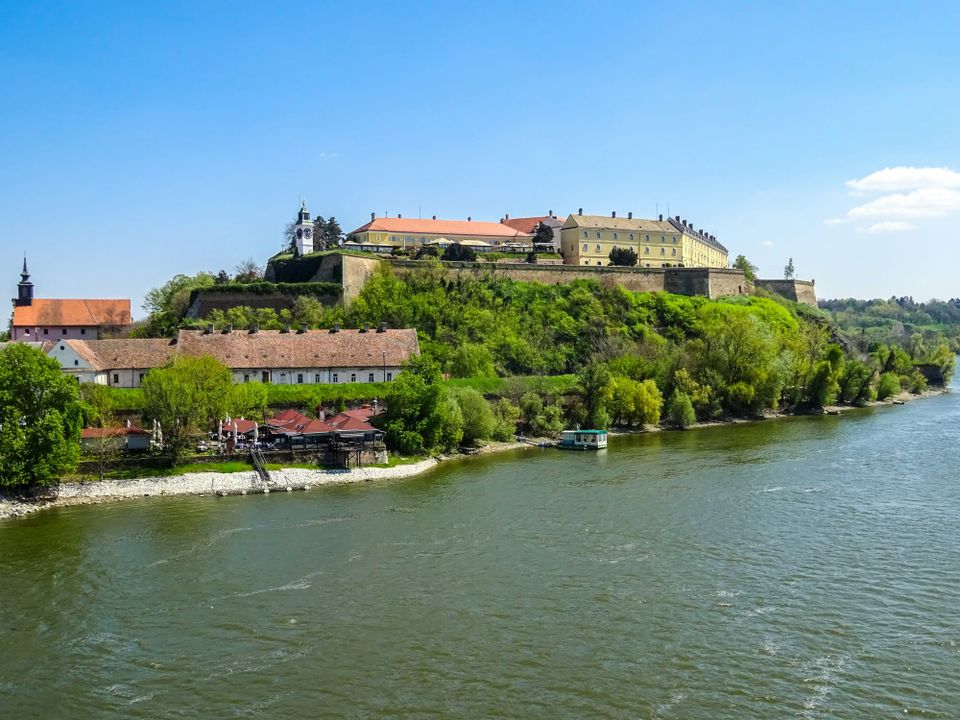
Exit Festival Weather in Novi Sad July: What the Fortress Actually Does to Temperature
Early July in Novi Sad runs hot — daily highs averaging 32–35°C (90–95°F), with occasional spikes past 37°C (99°F) during Pannonian heat events. That baseline is already warmer than most Western European attendees are prepared for, but the number that matters more for Exit Festival is the overnight low: typically 20–23°C (68–73°F), with humidity hovering between 55–70% thanks to the Danube corridor. The Petrovaradin Fortress does not cool down meaningfully after dark. It stores heat in its stone and releases it slowly, which means the 1 a.m. set feels like standing in a very loud oven.
Why "European Summer" Assumptions Will Get You in Trouble
A lot of festival-goers arrive with a vague mental model of "summer in Europe" that involves pleasant evenings, maybe a light jacket after midnight, and manageable afternoons. That model was built somewhere west of Munich. Novi Sad sits in the Pannonian Plain, a flat inland basin that bakes in July with no sea breeze, no significant elevation, and no geography to redirect heat away from the city.
Compare it to other popular July festival destinations: Berlin averages around 24°C (75°F) daytime highs. Amsterdam rarely cracks 23°C (73°F). Even Barcelona, genuinely hot in July at 29°C (84°F), benefits from Mediterranean air movement. Novi Sad does not. The city can run 6–10°C (11–18°F) hotter than what much of Exit's Western European audience considers "normal summer weather," and that gap has real consequences once you factor in direct sun exposure on limestone ramparts for several hours.
The Danube Humidity Factor
The river doesn't cool things down so much as it adds moisture to already hot air. Relative humidity during Exit weekend typically sits in the 60–70% range by evening — not tropical, but high enough to make 30°C (86°F) feel substantially worse than the number suggests. Sweat doesn't evaporate efficiently, cooling slows, and heat exhaustion risk climbs. The fortress amplifies this by restricting airflow across its internal stages. The Main Stage plateau gets some movement, but the enclosed stage areas are significantly more stagnant.
What the Fortress Microclimate Actually Means, Stage by Stage
Petrovaradin is physically large — the festival footprint covers multiple terraces and fortified courtyards — and conditions vary considerably depending on where you're standing.
Main Stage (Upper Plateau)
Most exposed to whatever breeze exists off the Danube. This is the most tolerable area after midnight, and temperatures can feel marginally lower than the internal courtyards. Still expect 24–26°C (75–79°F) at 2 a.m. on peak nights. Effective sun exposure during late afternoon setup or early evening arrivals is severe — the plateau has minimal shade and limestone reflects additional heat upward.
Dance Arena and Enclosed Stages
Body heat from crowds in enclosed fortress spaces compounds the ambient temperature substantially. Independent measurements at similar enclosed festival stages in comparable conditions suggest interior crowd temperatures can run 3–5°C (5–9°F) above ambient. In a space already at 30°C (86°F) at midnight, that is a meaningful number. Hydration stops here are not optional.
Forest Stage
The tree cover provides real relief during daylight hours, but also traps humidity overnight. It's cooler in direct heat terms but muggier than the open plateau.
Temperature Timeline: What Each Part of Exit Day Looks Like
- Midday–4 p.m.: Peak heat, 33–37°C (91–99°F). Fortress gates aren't open yet for most. Stay in the city, stay in shade or air conditioning. This is not the time to queue.
- 4–7 p.m.: Still very hot, 30–33°C (86–91°F). Direct sun on the upper fortifications is intense. UV index regularly hits 7–8 in early July Novi Sad. Sun protection is not optional.
- 7–10 p.m.: Temperature drops toward 27–29°C (81–84°F). Still warm by any normal measure. This window can feel like relief after the afternoon but don't mistake it for cool.
- 10 p.m.–2 a.m.: 23–26°C (73–79°F), humidity elevated, stone walls still radiating stored heat. The headliner slot feels warmer than the thermometer suggests.
- 2–6 a.m.: Closest to comfortable at 20–23°C (68–73°F). By now the crowds thin slightly and airflow improves on open stages. This is the window people romanticize about "Exit nights" — and it's genuinely more pleasant, but still warm.
Packing Decisions the Fortress Microclimate Actually Demands
The standard music festival packing list — layers, rain shell, comfortable shoes — applies here with some significant modifications.
- Water capacity: 2 liters minimum personal capacity, and plan to refill aggressively. One 500ml bottle for a four-hour set in a stone enclosure at 28°C (82°F) is not enough.
- Electrolytes: At sustained temperatures above 30°C (86°F) with high humidity, water alone doesn't replace what sweat removes. Bring tablets or sachets.
- Sun protection for the entry window: SPF 50 applied before you queue, and a hat. The afternoon fortress approach has essentially no shade.
- Footwear that handles heat: Cobblestones and limestone surfaces radiate heat from below. Thin-soled sandals on hot stone for six hours produce real foot fatigue. Lightweight trainers are better than they look for this environment.
- Light layer for the pre-dawn window: A thin packable layer for 5–6 a.m. is worth carrying. Not for cold — temperatures don't drop that far — but the Danube can send a damp chill through at dawn, particularly on the exposed plateau.
- Rain contingency: July in Novi Sad is relatively dry (average 55–65mm/2.2–2.6 inches for the month), but convective storms can appear quickly in the Pannonian basin. A compact rain shell takes up negligible space and matters when one arrives at midnight.
For real-time tracking during the festival, the WeatherGO app gives hourly forecasts and storm alerts — useful when a fast-moving Pannonian thunderstorm is the difference between getting caught on an exposed plateau and making it to cover in time.
What to Expect If Temperatures Spike
Some years, a sustained heat dome settles over the Pannonian region during Exit weekend, pushing temperatures above 38°C (100°F) during the day and keeping overnight lows above 25°C (77°F). This happened in 2019 and again during the 2022 broader European heat event. When that occurs, the festival footprint becomes genuinely difficult to manage safely without careful pacing, shade-seeking during daylight hours, and reducing time in enclosed stages.
The fortress's medical stations are real infrastructure — Exit has invested in heat response capacity — but reaching the point where you need them means the day went wrong somewhere before that. Know where they are, and don't treat early symptoms of heat exhaustion (dizziness, stopped sweating, confusion) as something to push through.
Bottom Line
Exit Festival in Novi Sad delivers one of the more genuinely impressive festival settings in Europe, and early July in the Pannonian Plain delivers some of the most punishing heat that setting can produce. The Petrovaradin Fortress does not moderate temperature — it amplifies it. Attendees calibrated for Western European summer conditions will find the thermal environment more demanding than expected, particularly inside enclosed stage areas overnight when stone walls are still releasing hours of stored heat.
Prepare for daytime highs of 32–37°C (90–99°F), overnight temperatures that stay above 22°C (72°F) through peak hours, and humidity that makes both numbers feel worse than they are. Hydrate ahead of need, not in response to thirst. Pack light, pack sun protection, and accept that this is hot-weather festival logistics, not a European city break where evenings are mild.