

Hokkaido in October: What Happens to the Weather When Japan's Best Autumn Color Peaks Before Kyoto Even Starts
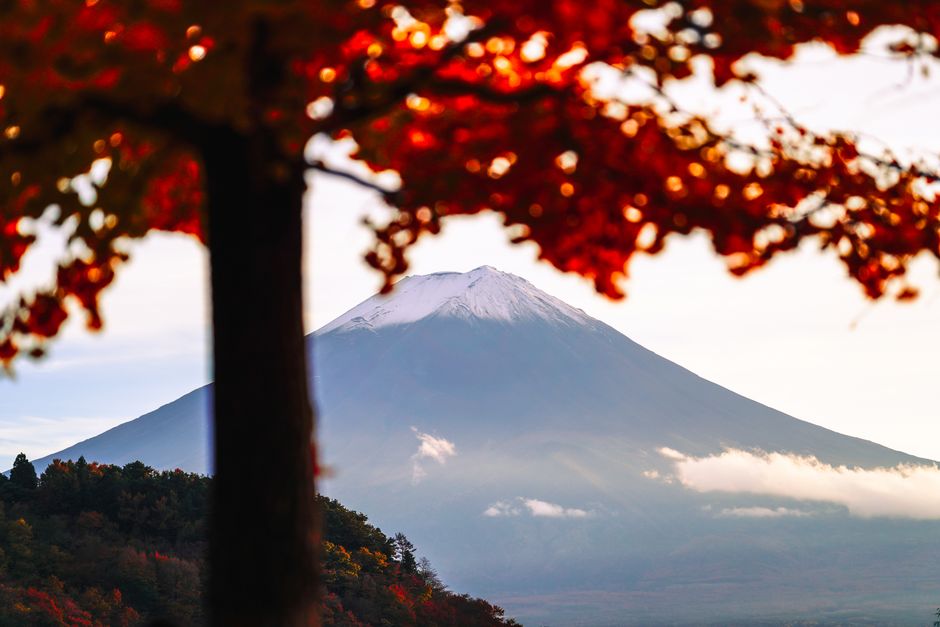
Hokkaido Weather in October: The Foliage Window, the Cold Fronts, and What to Actually Expect
Hokkaido weather in October means foliage that peaks weeks ahead of Kyoto or Tokyo — and temperatures that drop fast enough to catch underprepared visitors off guard. By early October, Daisetsuzan in the central highlands is already past peak, with daytime highs around 10–13°C (50–55°F) and overnight lows regularly hitting 2–5°C (36–41°F). Sapporo runs warmer, averaging highs of 14–17°C (57–63°F) in early October before dropping to 8–11°C (46–52°F) by the end of the month. This is not a gentle seasonal transition. Cold fronts push down from Siberia, rainfall picks up, and the window for optimal color is narrow — sometimes less than two weeks in any given area.
Why Hokkaido's Autumn Runs on a Different Calendar
Japan's autumn foliage front moves from north to south, and Hokkaido sits far enough north that the process starts in September in the alpine zones and works its way down through the month of October. The rest of Japan — Tohoku, the Japan Alps, Kyoto — is still watching leaves turn bronze while Hokkaido's peak has already come and, in many spots, gone.
The key driver is the temperature differential. Autumn color in deciduous trees is triggered by cool nights and shortening days. Hokkaido's interior highlands get below 5°C (41°F) at night in September. By the time October arrives, the lowlands and coastal areas are catching up fast. Sapporo's average low in October is around 6°C (43°F), compared to Tokyo's 15°C (59°F) for the same month. That gap explains everything about the timing.
The practical result: if the goal is catching Hokkaido's foliage, aiming for early-to-mid October in the lowland areas — Furano, Biei, Lake Toya, the Shiretoko Peninsula — is the standard advice. But "standard" and "actual" diverge every year depending on when the cold fronts arrive.
How Year-to-Year Variation Shifts the Peak
Foliage timing in Hokkaido is not fixed. A warmer-than-average September pushes the peak later into October. A cold September with early frontal systems pulls it earlier. The variation from year to year can be 7–10 days in either direction, which is significant when planning a trip booked months in advance.
Recent years have trended slightly warmer in September and early October — 1–2°C (2–4°F) above the long-term average — which has nudged peak color in some lowland areas toward the second week of October rather than the first. That said, cold snaps still arrive without much warning, and a sharp frontal passage can accelerate leaf drop dramatically. Color one day; bare branches three days later.
Checking the 10-day forecast before departure and again upon arrival is worth the effort. The WeatherGO app gives hour-by-hour conditions across Hokkaido's varied terrain, which matters when planning drives through Biei's rolling hills versus a hike up into Daisetsuzan, where temperatures can be 5–8°C (9–14°F) colder than Sapporo at the same time of day.
Late October: When the Weather Stops Being Cooperative
Early October in Hokkaido is brisk but manageable. Late October is a different proposition. By the last week of the month, Sapporo's average daily high falls to around 9°C (48°F). In the interior — Furano, Obihiro, the highlands around Asahikawa — highs can sit at 5–7°C (41–45°F) with overnight lows approaching freezing. Snow is not unusual at elevation; Daisetsuzan typically sees its first significant snowfall before the end of October.
Rainfall increases through the month. Sapporo receives approximately 109mm (4.3 inches) of precipitation in October on average, spread across roughly 14–16 rain days. It does not rain all day every day, but overcast skies are the norm, not the exception. For landscape photography or scenic drives through Biei, this creates real scheduling pressure — the foliage is stunning on a clear day and muddy-looking under flat gray light.
Wind picks up notably in late October, particularly along the coast and in exposed highland areas. Wind chill becomes a genuine factor. A 10°C (50°F) day with 40 km/h (25 mph) winds feels nothing like 10°C (50°F) in calm conditions.
What to Pack — Specifically
Layering is not optional. A base layer, a fleece or wool mid-layer, and a waterproof outer shell covers most conditions through the month. The outer layer needs to be genuinely waterproof, not water-resistant — the difference matters on a rain-heavy day in the Shiretoko Peninsula.
- Waterproof jacket with a hood (non-negotiable by mid-October)
- Fleece or down mid-layer — temperatures in the highlands warrant down by late October
- Thermal base layers if visiting Daisetsuzan or planning early morning outdoor starts
- Waterproof hiking boots or trail shoes — trails get muddy and wet, especially in national park areas
- Gloves and a light hat for late October, particularly in the interior
- Sunscreen — UV index remains moderate (4–5) on clear days, and people consistently underestimate it in cool weather
The Foliage Locations and Their Timing
Not all of Hokkaido peaks at once. Here is a rough breakdown of when color typically peaks by area, using average years as a baseline:
- Daisetsuzan alpine zone (above 1,500m / 4,900ft): Late September to early October. Often past peak by the time most visitors arrive in mid-October.
- Sounkyo Gorge and Daisetsuzan lower slopes: Early to mid-October. One of the most photogenic spots in Japan during this window.
- Furano and Biei: Mid-October. Rolling agricultural hills with larch forests going gold and copper.
- Shiretoko Peninsula: Mid-to-late October. Remote, often windy, and genuinely spectacular — when the weather allows.
- Sapporo city parks (Maruyama, Hokkaido Shrine grounds): Late October into early November. One of the last areas to peak.
- Hakodate and southwestern Hokkaido: Late October to early November — comparable to northern Tohoku timing.
Practical Takeaways
October is the month to be in Hokkaido for autumn foliage, but the precise week matters enormously and varies by year. Early October is the safer bet for color at elevation and in the interior. Late October offers color at lower elevations and in the cities, but comes with colder, wetter, windier conditions and an increasing chance that foliage at highland locations has already dropped.
Budget for flexible days in the itinerary. A three-night stay in the Furano-Biei area with one built-in contingency day for a weather reshoot is more realistic than a tightly scheduled single-day drive through both areas on a fixed date.
Rental car access matters here more than in most of Japan. Public transport options to Biei's landscape routes and into Daisetsuzan's valley areas are limited in October, and the ability to adjust departure times based on morning fog or afternoon clearing is a real advantage.
October in Hokkaido is genuinely worth the effort and planning. The foliage rivals anything in Japan. The weather will not always cooperate, and late October has a way of reminding visitors that Hokkaido is one cold front away from winter.


