

How High Altitude Affects Weather Packing for Cusco vs Arequipa: Peru Mountain Travel in June
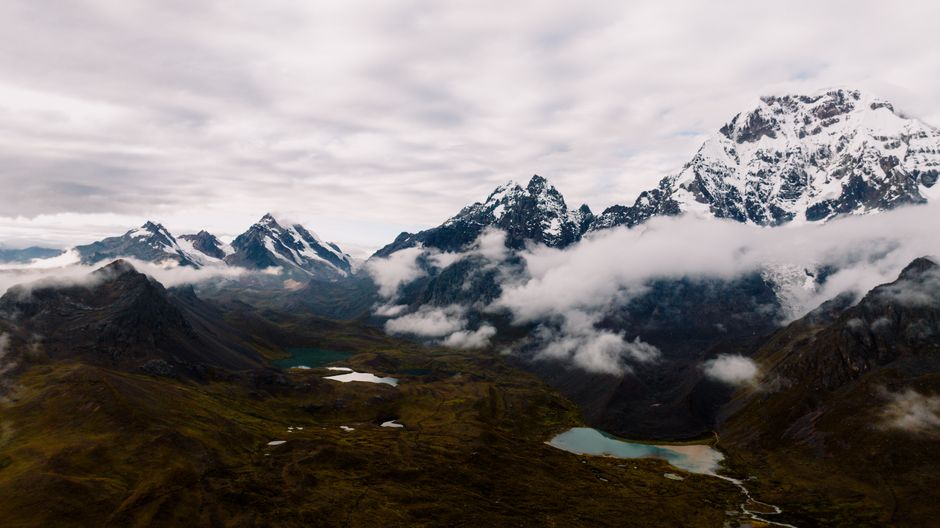
Peru Mountain Weather June: Why 1,100 Meters Changes Everything
June in Peru's Andes demonstrates exactly why altitude trumps latitude when packing for mountain travel. Cusco, sitting at 11,155 feet (3,400m), experiences daily highs around 64°F (18°C) and nighttime lows plunging to 28°F (-2°C). Meanwhile, Arequipa at 7,545 feet (2,300m) enjoys a gentler 72°F (22°C) during the day and 46°F (8°C) at night. That 1,100-meter elevation difference translates to a 14°F (8°C) temperature gap that will dictate your entire packing strategy.
June marks peak dry season across Peru's mountains, delivering clear skies and minimal rainfall. Both cities receive less than 0.2 inches (5mm) of precipitation for the month. The lack of cloud cover, however, creates dramatic temperature swings that catch many travelers off guard.
The Altitude-Temperature Reality Check
Every 1,000 feet (300m) of elevation typically drops temperatures by 3-5°F (2-3°C). This basic meteorological principle explains why Cusco's June mornings can hit freezing while Arequipa remains comfortable. The thin air at higher elevations cannot retain heat effectively, creating the stark day-night temperature variations that define Andean weather.
Cusco's extreme elevation also means intense UV exposure. At 11,155 feet (3,400m), UV radiation increases by roughly 25% compared to sea level. Combined with June's clear skies and low humidity around 45%, sunburn happens quickly. Arequipa's lower elevation still demands sun protection, but the risk moderates slightly.
Humidity levels in both cities drop to desert-like conditions during June. Cusco averages 40-50% humidity while Arequipa hovers around 35-45%. The dry air compounds altitude effects, leading to faster dehydration and chapped skin.
Wind Patterns and Microclimate Differences
Cusco's mountain bowl geography creates unpredictable wind patterns. Afternoon breezes can drop perceived temperatures by 5-10°F (3-6°C), making that 64°F (18°C) day feel genuinely cold without proper layers. Arequipa's more open valley position generates steadier, lighter winds that rarely impact comfort levels significantly.
Both cities experience their coldest temperatures between 5-7 AM, with warmest periods hitting around 2-3 PM. The temperature climb starts rapidly after sunrise around 6:30 AM, but the thin air means heat dissipates equally fast once the sun begins setting around 5:45 PM.
Strategic Packing for Dual-Altitude Travel
Packing for both destinations requires a layering system that accommodates a 22°F (12°C) temperature range between cities. Base layers become essential in Cusco but optional in Arequipa. Merino wool or synthetic materials work better than cotton, which loses insulation properties when damp from sweat during altitude acclimatization.
A puffy jacket or down layer handles Cusco's morning and evening chill effectively. The same jacket becomes unnecessary weight in Arequipa, where a fleece or wool sweater provides adequate warmth. Pack the heavy insulation if Cusco represents your primary destination.
Footwear strategy depends on planned activities. Cusco's cobblestone streets become slippery with morning frost, demanding shoes with decent grip. Arequipa's milder temperatures allow lighter footwear options, though good walking shoes remain advisable for volcanic terrain exploration.
Sun Protection Across Elevations
Both destinations demand serious sun protection despite the June "winter" season. SPF 50+ sunscreen becomes mandatory equipment, not optional gear. Cusco's extreme elevation requires reapplication every 2 hours during outdoor activities. Wide-brimmed hats and UV-rated sunglasses prevent the squinting headaches that plague many high-altitude visitors.
Lip balm with SPF protection addresses the combined effects of intense UV, low humidity, and thin air. Many travelers develop painful chapped lips within days of arrival at altitude.
Weather Apps and Real-Time Monitoring
Mountain weather changes rapidly, making real-time monitoring valuable for daily planning. The WeatherGO app provides altitude-adjusted forecasts that account for elevation-specific conditions — essential when standard weather services underestimate temperature swings at extreme elevations.
Check hourly forecasts rather than daily summaries. A day might start at 28°F (-2°C) in Cusco and reach 64°F (18°C) by afternoon, requiring completely different clothing choices for morning versus midday activities.
Practical Temperature Management
Morning departures from hotels in Cusco require full winter gear: insulated jacket, warm hat, and gloves. By 10 AM, most travelers shed the heavy layer. By 2 PM, t-shirts become comfortable. The reverse process begins around 4 PM as temperatures drop quickly once shadows lengthen.
Arequipa allows more consistent dressing throughout the day. A light jacket or sweater handles morning coolness and evening chill, with comfortable t-shirt weather dominating midday hours.
Hotel heating varies significantly between cities. Many Cusco accommodations provide limited heating due to elevation challenges, making warm sleepwear essential. Arequipa hotels typically offer adequate heating, though lightweight pajamas remain advisable for the 46°F (8°C) nighttime temperatures.
Activity Planning by Elevation
Outdoor activities in Cusco work best between 10 AM and 3 PM when temperatures peak and winds moderate. Early morning market visits require bundling up, while late afternoon ruins exploration demands layers for rapidly dropping temperatures.
Arequipa's gentler climate allows flexible activity timing. Morning volcano viewpoints remain comfortable with light layering, and evening city walks require only basic additional warmth.
Both cities offer ideal conditions for outdoor exploration during June's dry season, but elevation differences demand distinct preparation strategies. Pack for Cusco's extremes and appreciate Arequipa's moderation, rather than averaging between the two and finding yourself unprepared for either destination's specific challenges.


