

Hurricane Season 2026 Atlantic Basin: Why June 1 Start Date Misses Early Storm Reality
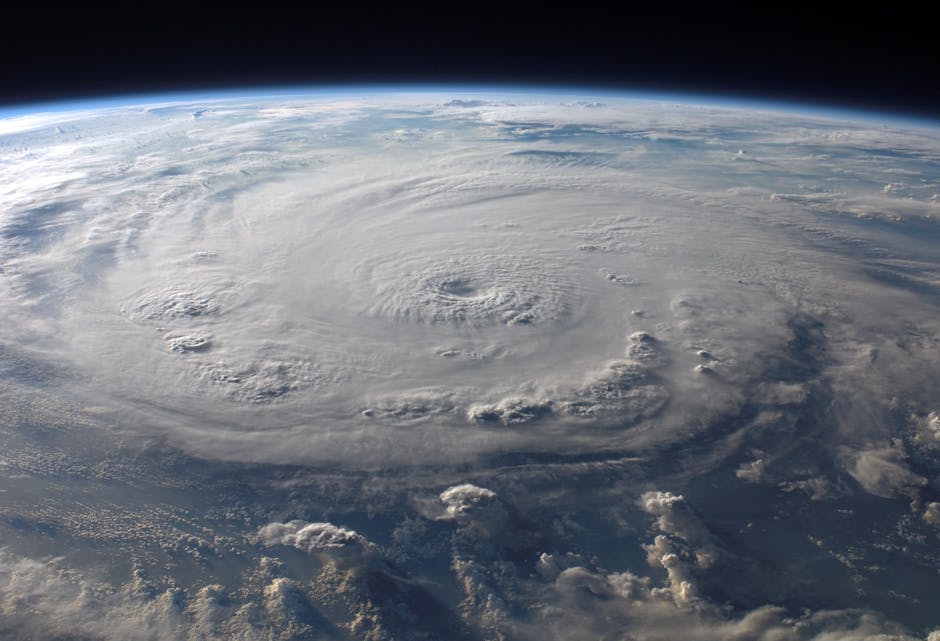
Hurricane Season 2026 Start: When Official Dates Don't Match Storm Reality
The Atlantic hurricane season officially begins June 1, 2026, but this calendar date increasingly feels like bureaucratic fiction. For six consecutive years, named storms have spun up in May — well before the supposed "start" of hurricane season. Arthur arrived May 16, 2020. Ana formed May 22, 2021. Alex developed January 14, 2022, making the June 1 start date look particularly absurd.
Early season activity has jumped 40% since 2020 compared to the previous decade. Yet meteorologists and emergency managers cling to June 1 as the official starting point, creating a dangerous disconnect between what calendars say and what the atmosphere actually does.
The Data Behind Early Storm Formation
Pre-season storms — those forming before June 1 — occurred in 78% of Atlantic hurricane seasons between 2015 and 2025. The numbers tell a clear story:
- 2015-2019: Average of 0.4 pre-season storms annually
- 2020-2025: Average of 1.2 pre-season storms annually
- Peak early formation period: May 15-25
- Typical early storm locations: Gulf of Mexico, western Caribbean
These early storms typically form when sea surface temperatures reach 80°F (27°C) in the Gulf of Mexico and western Caribbean — a threshold now consistently met by mid-May rather than early June. Water temperatures in these regions have warmed 1.5°F (0.8°C) since 1980, effectively extending the active storm season by 2-3 weeks.
Why Meteorologists Stick to June 1
The June 1 start date originated from statistical analysis of hurricane activity from 1851-1950. During that century, 97% of Atlantic tropical cyclones formed between June 1 and November 30. The date made sense then.
But climate patterns have shifted. The National Hurricane Center maintains June 1 as the official start because changing it would require congressional action — the dates are written into federal disaster preparedness laws. Moving the official season would also complicate insurance policies, emergency management protocols, and international coordination efforts that have used these dates for decades.
The result: a growing gap between official hurricane season timing and actual storm formation patterns.
Early Season Storm Characteristics
May storms differ significantly from peak season hurricanes. They typically:
- Form closer to shore in the Gulf of Mexico or western Caribbean
- Move faster, giving less preparation time
- Rarely exceed Category 2 strength
- Bring more rainfall than wind damage
- Affect the Gulf Coast disproportionately
Alberto (May 2024) exemplified this pattern — forming 150 miles (240 km) off Louisiana, reaching 65 mph (105 km/h) winds, and making landfall within 36 hours of formation. The storm caused flooding from Mobile to Pensacola but avoided the prolonged tracking period typical of Cape Verde hurricanes.
2026 Early Season Outlook
Sea surface temperatures in the Gulf of Mexico and western Caribbean are running 1-2°F (0.6-1.1°C) above average entering spring 2026. Wind shear patterns — which typically suppress early season development — show weaker than normal signatures in long-range models.
Translation: expect at least one named storm before June 1, 2026. The WeatherGO app will track early season development and send alerts when systems organize in the Gulf or Caribbean, giving travelers advance warning for coastal trips.
Peak risk period for early formation runs May 10-30, with the highest probability window falling May 15-25 based on historical patterns.
Travel Implications for Early Season Activity
Coastal travel plans between Mother's Day and Memorial Day now require storm awareness. Early season systems move fast and form close to shore, compressing decision-making windows for travelers.
Gulf Coast destinations — New Orleans, Mobile, Tampa, Houston — face the highest early season risk. Caribbean islands typically avoid major impacts from May storms, but cruise itineraries can still face disruptions when systems develop in the western Caribbean.
Flight operations rarely see significant delays from early season storms since they lack the size and intensity of late summer hurricanes. Rainfall and localized flooding present bigger travel concerns than widespread airport shutdowns.
The Case for Moving Hurricane Season Start Dates
Several prominent meteorologists advocate shifting the official Atlantic hurricane season to May 15-November 30. This change would:
- Align official dates with modern storm formation patterns
- Improve early season preparedness messaging
- Help insurance companies adjust coverage periods
- Allow emergency managers to begin seasonal preparations earlier
The Eastern Pacific already uses a May 15 start date. The Atlantic basin stubbornly maintains June 1 despite mounting evidence that this date no longer reflects storm season reality.
Practical Takeaways for 2026
Ignore the June 1 "start" date for planning purposes. Begin monitoring tropical weather by May 1 if travel plans include the Gulf Coast or western Caribbean. Early season storms provide less warning time but typically cause less catastrophic damage than peak season systems.
Book refundable accommodations for May coastal trips. Pack rain gear for Gulf Coast travel throughout May — early season storms dump 3-6 inches (76-152 mm) of rain routinely. Monitor weather models starting May 10 for any Gulf or Caribbean travel planned before Memorial Day.
The calendar says hurricane season starts June 1. The atmosphere increasingly disagrees.


