Athens in peak summer is one of Europe's most brutal heat environments — marble surfaces, zero shade, and afternoon temperatures that make sightseeing genuinely dangerous. This post breaks down hour-by-hour temperature data for the Acropolis hill, explains the urban heat island effect in the city ce
Milford Sound sits in one of the wettest places on Earth, averaging over 6,000mm of annual rainfall, and July puts it squarely in New Zealand's wettest season — but the forecast in Queenstown tells you almost nothing about what to expect on arrival. This post tracks the three distinct weather zones
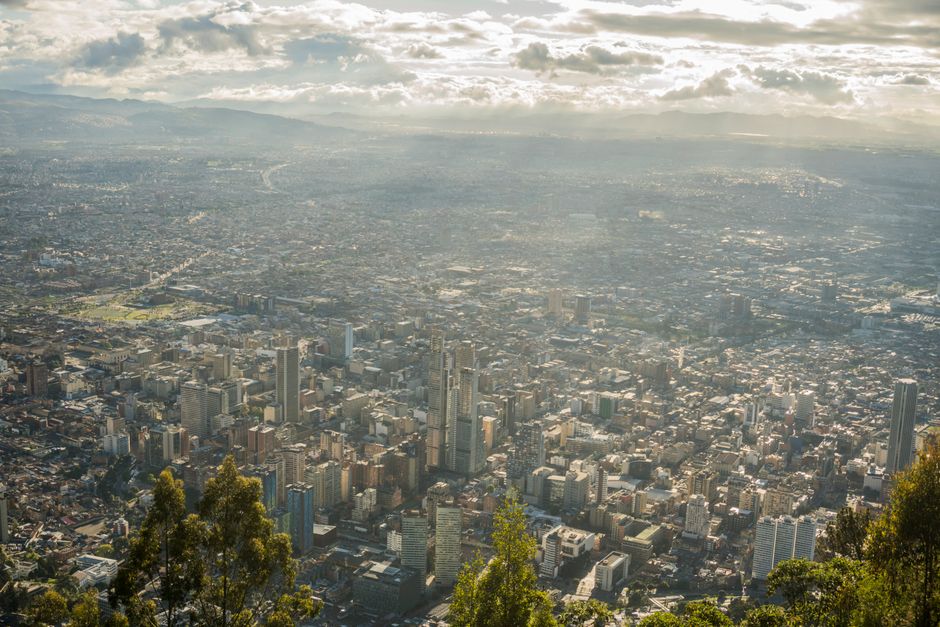
Bogotá sits higher than most European ski resorts, and August — dry season in the Colombian capital — is one of its most visited months, yet altitude sickness briefings rarely accompany travel itineraries. This post covers what 2,600m elevation does to temperature perception, UV exposure, hydration
Creamfields sits on flat Cheshire farmland with no windbreaks, and late August nights in northwest England drop faster than festival-goers typically prepare for. This post maps the site's specific microclimate against Manchester city centre data — a difference that regularly runs 4–6°C after dark —
Reading and Leeds happen simultaneously every August bank holiday, but they're 300 kilometres apart — and British weather doesn't distribute itself evenly. This post compares historical precipitation, wind exposure, and temperature data for both sites, explaining why a low-pressure system that soaks