Why Indonesia Flight Delays Spike 40% During May Thunderstorms: Jakarta vs Bali Airport Data
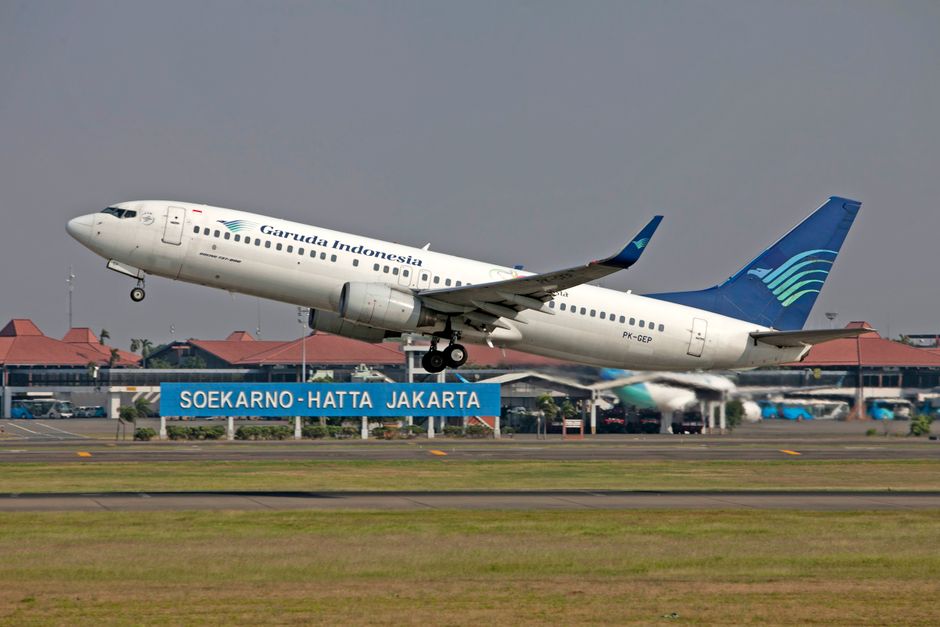
Indonesia Flight Delays May Surge 40% During Thunderstorm Season
Indonesia's airports face their most challenging month in May, when transitional monsoon storms drive flight delays up 40% compared to the dry season average. Jakarta's Soekarno-Hatta International Airport bears the worst of it, with afternoon thunderstorms causing systematic disruptions between 2-6 PM daily. Bali's Ngurah Rai, despite handling similar traffic volumes, sees significantly fewer weather-related delays due to its coastal location and different storm patterns.
The culprit is Indonesia's inter-monsoon period, which runs from April through June but peaks in intensity during May. This transitional phase generates powerful convective storms that form inland during peak heating hours, then move toward major population centers where airports sit. Understanding these patterns can save travelers hours of airport delays and missed connections.
Why Jakarta Gets Hit Harder Than Bali
Soekarno-Hatta's location 12 miles (19 km) inland from Jakarta Bay puts it directly in the path of afternoon thunderstorms that build over West Java's interior. These storms typically form around noon as surface temperatures reach 88-92°F (31-33°C), then march northwest toward the coast with winds exceeding 35 mph (56 km/h) and rainfall rates of 2-4 inches (50-100 mm) per hour.
The airport's three runways align east-west, creating additional complications when storms approach from the south with strong crosswinds. Pilots face wind shear conditions that can shift 20-30 mph (32-48 km/h) within minutes, forcing air traffic control to halt operations entirely rather than risk unsafe approaches.
Ngurah Rai benefits from its coastal position just 1.5 miles (2.4 km) from the Indian Ocean. Bali's afternoon storms tend to form over the island's central mountains but dissipate as they move toward the coast, losing intensity before reaching the airport. When storms do hit Ngurah Rai, they typically last 30-45 minutes compared to Jakarta's 2-3 hour disruptions.
The Daily Storm Cycle: Timing Your Flights
May thunderstorms in Indonesia follow a predictable schedule that smart travelers can exploit. Morning flights departing between 6-11 AM face minimal weather delays, with clear skies and light winds of 5-10 mph (8-16 km/h). The storm window opens around 1 PM and peaks between 3-5 PM, when 70% of weather delays occur.
Evening flights after 7 PM generally operate normally, as storms either dissipate or move offshore. However, the knock-on effects from afternoon cancellations can push delays well into the night. Aircraft positioning issues mean that even when weather clears, airlines need hours to restore normal schedules.
Temperature swings compound the problem. Jakarta sees daily ranges from 75°F (24°C) at dawn to 94°F (34°C) by early afternoon, creating the thermal instability that feeds thunderstorm development. Relative humidity stays locked between 80-95% throughout May, providing ample moisture for explosive storm growth.
Storm Intensity Data: What Airlines Don't Tell You
Indonesian meteorological data shows May storms consistently reach severity levels that trigger automatic airport closures. Lightning strike rates exceed 1,000 per hour during peak storm periods, well above the 300-strike threshold that grounds aircraft operations. Wind gusts regularly hit 45-60 mph (72-96 km/h), with recorded maximums of 75 mph (120 km/h) during the most severe cells.
Rainfall intensity frequently exceeds runway drainage capacity. Soekarno-Hatta's drainage systems handle up to 1.5 inches (38 mm) per hour, but May storms routinely dump 3-4 inches (75-100 mm) in the same timeframe. Standing water on runways creates hydroplaning risks that keep aircraft grounded even after wind conditions improve.
The storms also generate severe turbulence at flight levels. Pilots report moderate to severe turbulence between 15,000-30,000 feet during active storm periods, forcing extended taxi delays as aircraft wait for clearer flight paths. This vertical impact means delays affect not just departing flights but also incoming traffic seeking alternate altitudes.
Regional Patterns Beyond Jakarta and Bali
Other Indonesian airports show varying vulnerability to May thunderstorms. Surabaya's Juanda International sees moderate delays, with storms typically affecting 20-25% of afternoon flights. The airport's inland position creates similar thermal dynamics to Jakarta, but lower traffic volumes mean faster recovery when weather clears.
Medan's Kualanamu International faces a different challenge: Sumatran storms tend to be more isolated but extremely intense. When they hit, rainfall rates can exceed 5 inches (125 mm) per hour, creating flash flooding that closes ground operations entirely. However, the sporadic nature means most days remain unaffected.
Check current conditions and detailed forecasts on the WeatherGO app before departing for any Indonesian airport during May — real-time radar can show whether storms are building inland and likely to disrupt afternoon flights.
Practical Flight Booking Strategy
Book morning departures whenever possible during May travel to Indonesia. Flights leaving Jakarta before 11 AM have an 85% on-time performance rate, compared to 45% for afternoon departures between 2-6 PM. The price premium for morning flights typically runs 10-15% higher, but that cost pales next to hotel expenses from overnight delays.
Allow extra connection time when routing through Jakarta. Standard 2-hour international connections become risky during May, as afternoon storms can delay incoming flights by 3-4 hours. Build in at least 4-5 hours for afternoon connections, or route through Singapore, Kuala Lumpur, or Bangkok instead.
Evening flights face fewer weather delays but higher cancellation risks due to aircraft positioning issues from afternoon disruptions. Airlines often cancel 6-8 PM departures rather than operate with severely delayed equipment, particularly on competitive routes where load factors justify rebooking passengers to morning flights.
The thunderstorm season shows no signs of moderating due to climate patterns. If anything, warming ocean temperatures in the Indonesian archipelago may intensify convective activity in coming years. Plan accordingly — May remains Indonesia's most challenging month for reliable air travel.