How Pacific Storm Patterns Create 15°C Temperature Differences Between San Francisco and Oakland in June
Why San Francisco June Weather Defies Logic
San Francisco in June averages 18°C (64°F) while Oakland, just 20 kilometers (12 miles) away, regularly hits 33°C (91°F). This 15°C (27°F) temperature gap — wider than the difference between London and Rome in summer — happens because the Pacific Ocean refuses to warm up and the Berkeley Hills block marine air from reaching the East Bay.
The Pacific maintains a steady 13-15°C (55-59°F) temperature year-round off San Francisco's coast. When California's Central Valley heats up to 38-43°C (100-110°F) in June, it creates a massive low-pressure system that sucks cold marine air through the Golden Gate Bridge gap. This marine layer — essentially a river of fog and cool air — gets trapped by San Francisco's hills and funnels directly over the city.
Oakland sits behind the Berkeley Hills, which rise 500 meters (1,640 feet) above sea level and block this marine influence entirely. The East Bay bakes under clear skies while San Francisco disappears under gray marine layer at 2 PM.
The Marine Layer Timeline
June marine layer follows a predictable daily cycle. Mornings start clear and mild across the entire Bay Area — typically 15-17°C (59-63°F) everywhere. By 11 AM, the marine layer begins pushing inland through the Golden Gate. San Francisco temperatures plateau around 18-20°C (64-68°F) as fog and low clouds roll over the city.
The Sunset and Richmond districts see fog first, often by noon. Downtown and SOMA get socked in by 1-2 PM. The Mission, protected by Twin Peaks, might stay sunny until 3 PM and reach 24-26°C (75-79°F) — still 7-9°C (13-16°F) cooler than Oakland.
Meanwhile, temperatures in Oakland, Berkeley, and Walnut Creek climb steadily all day. Peak heat hits between 2-4 PM, with Oakland averaging 28-33°C (82-91°F) and inland areas reaching 35-38°C (95-100°F).
Evening reversal begins around 5-6 PM. The marine layer retreats westward, and San Francisco often clears by sunset. But the damage is done — San Francisco spent the warmest part of the day under a natural air conditioner.
Neighborhood-Specific Temperature Patterns
San Francisco's microclimates create temperature variations within the city itself. The Marina and Presidio, directly exposed to marine air, stay coldest at 16-18°C (61-64°F) on June afternoons. Pacific Heights and Russian Hill experience similar conditions.
The Mission benefits from hills that block some marine influence and typically runs 3-5°C (5-9°F) warmer than western neighborhoods. Expect 21-24°C (70-75°F) on June afternoons in the Mission, Castro, and Potrero Hill.
Nob Hill and Financial District fall somewhere between — usually 18-21°C (64-70°F) with intermittent fog. SOMA experiences the urban heat island effect and often reaches 22-25°C (72-77°F) even when fog covers other areas.
South Bay temperatures increase with distance from the Golden Gate. San Mateo averages 24-27°C (75-81°F), while San Jose reaches 29-32°C (84-90°F) on typical June afternoons.
What This Means for Travelers
Pack layers, not a single outfit strategy. A 15°C (27°F) temperature swing demands tactical clothing choices. Morning exploration in Oakland requires shorts and t-shirts, but afternoon sightseeing in San Francisco calls for long pants and a fleece.
The WeatherGO app provides hourly neighborhood forecasts that account for these microclimates — essential for planning day trips across the Bay Area.
Bring a rain shell or windbreaker for San Francisco, even though June sees minimal precipitation. Marine layer creates persistent 15-20 mph (24-32 km/h) winds and occasional drizzle. The same jacket becomes unnecessary baggage in Oakland's still, hot air.
Schedule outdoor activities strategically. June mornings offer the only guaranteed sunshine in San Francisco — plan Golden Gate Bridge walks, Alcatraz visits, and Fisherman's Wharf touring before 11 AM. Save afternoon hours for indoor attractions like museums or shopping.
Oakland and East Bay destinations work better for afternoon outdoor activities. Lake Merritt, Berkeley's campus, and Chabot Space Center benefit from consistent sunshine and warmth after noon.
The Commute Weather Gap
BART riders experience this temperature differential twice daily. The morning commute from warm, sunny Oakland to cool, foggy San Francisco requires adaptive clothing. Office workers learn to keep sweaters at their desks — not for air conditioning, but for the city's natural climate control.
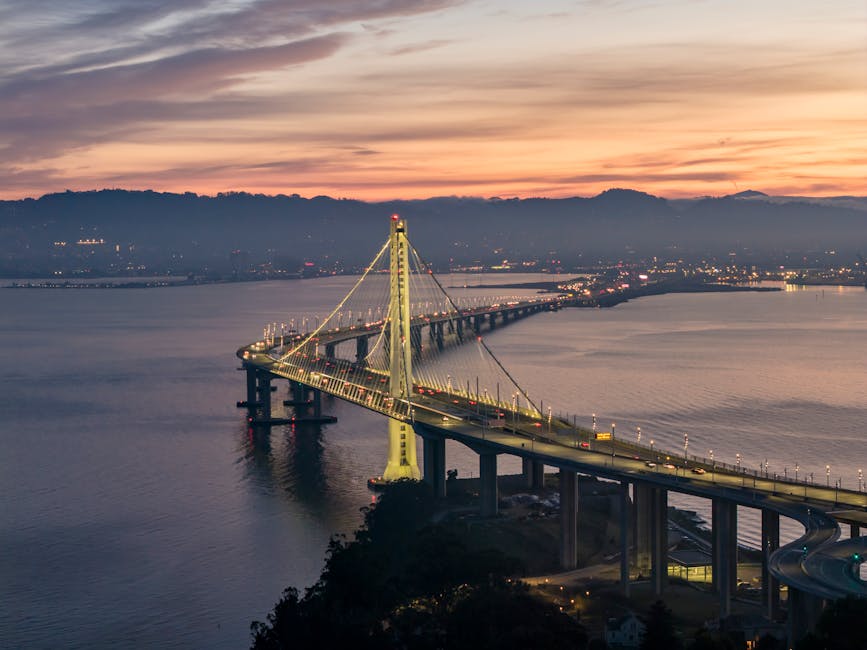
Bay Bridge and Golden Gate Bridge crossings mark dramatic climate transitions. Eastbound evening commuters shed layers as they escape the marine layer. Westbound morning commuters add them as fog engulfs their windshields.
This daily temperature commute affects hotel choices. East Bay accommodations rarely need air conditioning in June, while San Francisco hotels provide extra blankets instead.
Planning Multi-Location Itineraries
June itineraries spanning both sides of the Bay require weather-conscious scheduling. Start mornings in San Francisco when it's clear, then migrate east as marine layer arrives. Afternoon wine tasting in Napa works better than afternoon sightseeing in Golden Gate Park.
Restaurant reservations deserve weather consideration. Outdoor dining in San Francisco becomes unpleasant by 2 PM when fog and wind arrive. Oakland's outdoor patios remain comfortable all afternoon.
Beach plans need geographic precision. Ocean Beach and Baker Beach offer dramatic coastal scenery but require windbreakers and long pants even in June. East Bay regional parks provide actual sunbathing weather.
The Bay Area's June weather exemplifies why checking hyper-local forecasts matters more than citywide averages. San Francisco's 18°C average means nothing when your specific neighborhood might be 15°C or 24°C depending on marine layer position. Pack for both extremes and plan activities around the Pacific's reliable cooling schedule.