

Why Desert Temperatures Fluctuate 25°C Daily: Morocco, Jordan, and Egypt Weather Physics
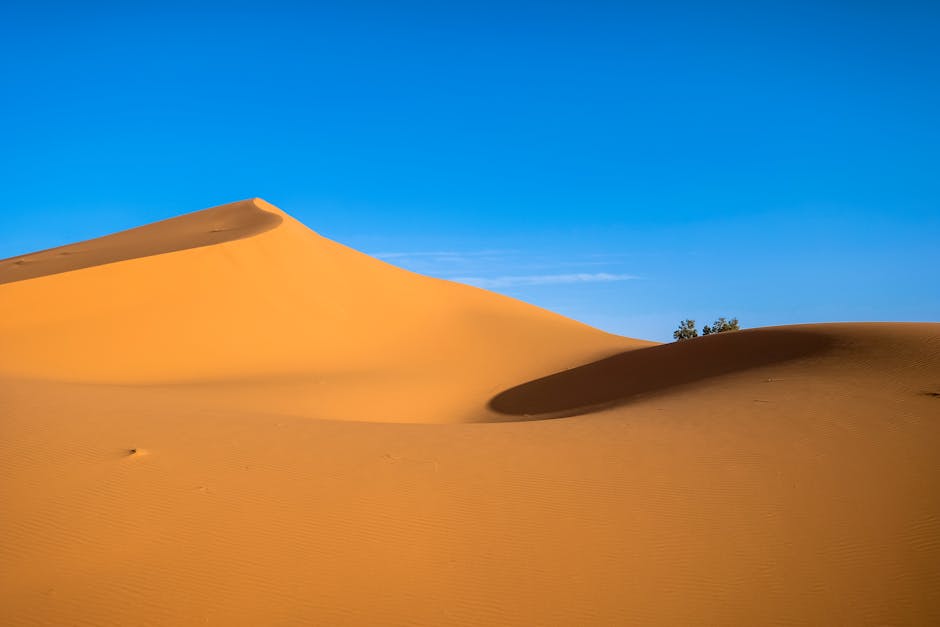
The desert temperature fluctuation that drops thermometers from sweltering 35°C (95°F) afternoons to bone-chilling 10°C (50°F) nights isn't just uncomfortable — it's physics in action. Morocco's Sahara, Jordan's Wadi Rum, and Egypt's Western Desert regularly experience temperature swings of 25°C (45°F) or more within a single 24-hour period. This dramatic shift catches travelers off-guard and sends them scrambling for layers they didn't pack.
The Science Behind Extreme Desert Temperature Fluctuation
Desert temperature swings happen because these landscapes lack the two things that moderate climate everywhere else: water vapor and cloud cover. Humidity acts like a thermal blanket — it traps heat during the day and releases it slowly at night. Deserts typically hover around 10-30% humidity, compared to 60-80% in temperate regions.
Clear desert skies compound the problem. Without clouds to reflect incoming solar radiation during the day or trap outgoing heat at night, deserts experience the full force of both heating and cooling. Sand and rock surfaces absorb heat efficiently but also radiate it away just as quickly once the sun disappears.
The result: daytime temperatures in the Sahara regularly hit 35-45°C (95-113°F), then plummet to 5-15°C (41-59°F) by dawn. Jordan's desert regions follow similar patterns, with Wadi Rum recording temperature differences of 30°C (54°F) between day and night during spring and fall.
Geographic Variations in Temperature Swings
Not all deserts swing equally. Morocco's High Atlas regions experience smaller fluctuations due to elevation — mountains moderate temperature through altitude effects. The Western Sahara near the Atlantic coast sees ocean influence that dampens the swings to 15-20°C (27-36°F).
Egypt's interior deserts, particularly around Siwa Oasis and the White Desert, record some of the most extreme swings. Winter nights can drop to near freezing while days reach 25°C (77°F). The Red Sea coastal areas stay more stable due to marine influence.
Jordan's eastern desert regions experience the most dramatic shifts, with recorded differences exceeding 35°C (63°F) between peak afternoon heat and pre-dawn lows during optimal conditions in March and October.
Seasonal Patterns and Timing
Desert temperature fluctuations vary significantly by season. Summer brings the largest absolute temperature ranges — Egyptian deserts can swing from 45°C (113°F) at 3 PM to 18°C (64°F) at 5 AM. However, the percentage change is often smaller because baseline temperatures are higher.
Winter and spring produce the most uncomfortable relative swings. A day that reaches only 25°C (77°F) dropping to 2°C (36°F) feels more jarring than summer's larger but more predictable pattern. March through May and September through November present the trickiest packing challenges.
Peak cooling happens between 4-6 AM, when sand surfaces have radiated heat for the longest period. Maximum heating occurs 2-4 PM, after the sun has heated surfaces for most of the day but before the cooling process begins.
Practical Packing Strategy
The layering system works, but desert travel requires specific gear choices. Base layers should handle both 40°C (104°F) heat and 5°C (41°F) cold — merino wool or synthetic blends outperform cotton in temperature regulation.
Essential items include a down or synthetic insulated jacket for rapid temperature drops, lightweight long pants for cool evenings, and a warm hat for surprising nighttime cold. Many travelers pack for desert heat and find themselves genuinely cold at 4 AM in the Sahara.
Footwear presents particular challenges. Sandals work for hot sand but provide zero warmth when temperatures drop. Closed shoes become furnaces during peak heat. The solution: lightweight hiking boots with good ventilation and warm socks packed separately.
Health and Comfort Implications
These temperature swings affect more than comfort — they impact health decisions. Dehydration accelerates in hot conditions, but the body's thirst mechanism shuts down when temperatures drop rapidly. Travelers often under-hydrate during cool desert evenings.
Sleep quality suffers when nighttime temperatures drop below 10°C (50°F) in sleeping bags rated for different conditions. Many desert camps provide blankets, but their thickness varies considerably. Bringing a sleeping bag liner rated to 5°C (41°F) below the expected low prevents miserable nights.
Sunrise and sunset timing affects exposure strategy. Desert temperatures begin rising within 30 minutes of sunrise and continue dropping for 2-3 hours after sunset. Plan activities accordingly rather than relying on clock time.
Regional Weather Patterns
Morocco's desert regions see smaller swings during winter months when Atlantic weather systems bring occasional cloud cover. However, clear high-pressure systems can still produce 20°C (36°F) daily ranges.
Jordan's desert areas experience the most consistent temperature fluctuations year-round, with minimal seasonal variation in the size of daily swings. This makes packing easier — the same layering strategy works in February and July.
Egypt's position between Mediterranean and Red Sea influences creates complex patterns. Coastal deserts moderate somewhat, while interior regions like the Western Desert experience textbook extreme fluctuations with mathematical precision.
Pack for a 30°C (54°F) temperature range regardless of season when visiting Morocco, Jordan, or Egypt's desert regions. The physics doesn't change, and neither should preparation strategy. Layering systems that handle both extremes prevent the misery of freezing at dawn after sweating all afternoon.


