Lollapalooza Chicago Weather: Why Grant Park Hits 34°C with 80% Humidity in Late July
Lollapalooza Chicago Weather in July: What Grant Park Actually Does to You
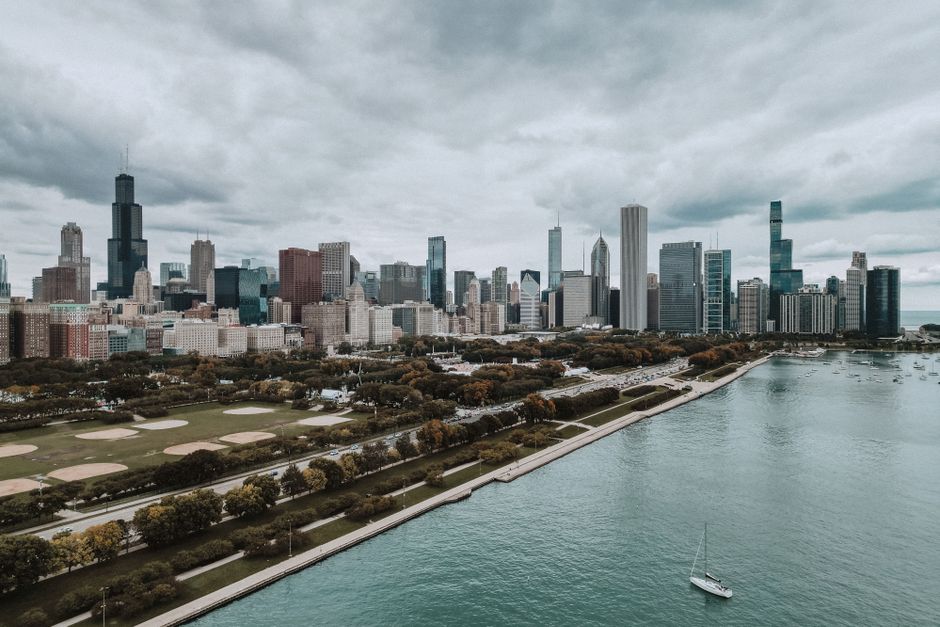
Lollapalooza runs in late July, and Grant Park in late July means one thing: heat that sits on you. Historically, Chicago records daily highs between 29–34°C (84–93°F) during the last week of July, with relative humidity regularly hitting 75–85%. The combination produces heat index values — what it actually feels like — that routinely reach 38–40°C (100–104°F) by mid-afternoon. This is not an anomaly. It is the baseline. Festival-goers who show up expecting a breezy lakefront afternoon are in for a correction.
Why the Humidity Is the Real Problem
Chicago's reputation as a wind city does not hold in summer. Lake Michigan — which borders Grant Park's eastern edge — behaves like a massive thermal reservoir. In late July, surface water temperatures run around 20–22°C (68–72°F), which is warm enough to load the onshore breeze with moisture rather than cool it down. The lake effect in summer works against you: air moving inland off the water picks up humidity from the surface, then gets trapped under a warm air mass sitting over the city grid.
The result is a humidity profile that peaks between noon and 4 p.m., exactly when the main stages are running and crowds are thickest. By late afternoon, the concrete and asphalt around Grant Park have absorbed hours of radiant heat and begin releasing it back upward. Standing in a crowd of 100,000 people on blacktop at 3 p.m. with 80% humidity and a UV index above 8 is, bluntly, one of the more physically demanding things a music fan can do voluntarily.
Historical Temperature Data for Late July in Grant Park
The numbers below reflect historical averages and recorded extremes for Chicago's lakefront during the last week of July:
- Average daily high: 30°C (86°F)
- Average daily low: 21°C (70°F)
- Recorded heat index peak (Lollapalooza weekend, 2019): 41°C (106°F)
- Average afternoon relative humidity: 72–82%
- Average UV index (noon–3 p.m.): 8–10 (Very High)
- Average rainfall days in July: 9–10 days, with afternoon thunderstorms most common
- Sunrise / Sunset (late July): approximately 5:47 a.m. / 8:10 p.m. CDT
Lollapalooza has evacuated stages due to lightning on multiple occasions. Afternoon thunderstorms in Chicago build fast — typically off the western suburbs — and can roll across Grant Park with 30–45 minutes of warning, or less. The 2018 and 2022 festivals both saw significant lightning delays that pushed headline sets back by an hour or more.
How Conditions Change by Set Time
This is where a flat "pack sunscreen and water" recommendation falls short. Grant Park's weather is not uniform across a festival day. Here is what the timeline actually looks like:
Morning (Gates open to noon)
Temperatures at gate open — typically 10 a.m. — sit around 24–26°C (75–79°F) with humidity already above 65%. This is the most tolerable window of the day and the best time to secure a spot near a main stage without standing in full radiant heat. Sunscreen still matters: UV index climbs sharply after 10 a.m.
Early Afternoon (Noon to 4 p.m.)
This is the danger window. Heat index is at its peak, shade is minimal across most of Grant Park's open sightlines, and the afternoon thunderstorm risk is highest — typically between 2 and 5 p.m. Hydration needs increase significantly: medical staff at the festival recommend 500–750ml (17–25 oz) of water per hour during this window in high-heat conditions. Misting stations are positioned around the grounds but lines get long fast.
Late Afternoon into Evening (4 p.m. to sunset)
Temperatures drop 3–5°C (5–9°F) after sunset, but humidity often stays elevated. A lake breeze typically builds from the east in the early evening — this is the first genuine relief of the day, and it coincides roughly with the lead-up to headline sets. It also means that anyone who overdressed for the afternoon is now comfortable, and anyone who left their layer at the hotel is mildly cold by 9 p.m.
Night Sets (Post-9 p.m.)
Overnight lows in late July average 21°C (70°F), but near the lake with an easterly breeze blowing, it can feel noticeably cooler — closer to 18°C (64°F) with wind chill factored in. A lightweight layer is not optional if planning to stay for the full night lineup.
Packing for Lollapalooza: By Condition, Not Just by Day
Standard festival packing lists treat a festival like a picnic. Grant Park in late July is closer to a stress test. Pack accordingly:
- Sunscreen SPF 50+: Reapply every 90 minutes minimum. UV index above 8 means visible skin burns faster than most people expect.
- Electrolyte packets: Water alone does not replace what 80% humidity sweat strips out over a full day.
- A packable rain shell: Afternoon thunderstorms move fast. A poncho works; an umbrella is a crowd problem.
- A light long-sleeve layer: For night sets, especially near the lakefront stages where the evening breeze is strongest.
- Moisture-wicking clothing only: Cotton in 80% humidity at 33°C (91°F) is a miserable choice.
- Portable battery pack: Heat kills phone batteries faster. A dead phone in a crowd of 100,000 is a navigation and safety problem.
For day-specific forecasts in the lead-up to the festival, the WeatherGO app gives hourly heat index readings alongside standard temperature — which matters considerably more than the raw temperature number when humidity is this high.
The Thunderstorm Variable
Any serious planning for Lollapalooza has to account for afternoon storm risk. Chicago's late July storm pattern runs on a rough 2-in-5-day cycle — meaning across a four-day festival, at least one afternoon with significant lightning activity is historically likely. The festival's safety protocol requires clearing open areas when lightning is detected within 8 miles (13 km). That means crowds of tens of thousands funneling toward covered structures simultaneously.
Know where the nearest covered structure or underpass is relative to whichever stage you're at. Grant Park is largely open terrain. The Museum Campus to the south offers some shelter; the Millennium Park garage to the north is a known refuge point during storm delays.
Practical Takeaways
- The heat index in Grant Park regularly exceeds the air temperature by 6–8°C (11–14°F) during peak afternoon hours. Plan around the heat index, not the daily high.
- The most physically demanding part of the day is noon to 4 p.m. If there are acts to catch during that window, plan shade breaks and hydration stops deliberately, not reactively.
- Evening temperature drops are real but come with a lake breeze. Carry a layer for post-sunset.
- Thunderstorm delays are not a rare edge case — they are a recurring feature of late July in Chicago. Have a shelter plan before one develops.
- Check the hourly forecast each morning of the festival. July weather in Chicago moves fast, and a general "partly cloudy" label on a four-day outlook tells you almost nothing useful about a 3 p.m. storm window.